Nutrition
Seasonal Vegetables: Why They Change the Flavor (and the Budget)
A July tomato and a January tomato have nothing in common, on the plate or on the receipt. Here's what the season really does to your vegetables.
Taste a strawberry in December. It's red, it's firm, it smells of nothing. Now taste one in June, bought from a local grower. The difference isn't in your head: it's chemistry and logistics.
Flavor first
A vegetable picked ripe, at the right time of year, has had time to build its sugars and aromas. A tomato from a heated greenhouse in winter is harvested green to survive shipping, then ripened artificially. It gets its color but never its flavor. That's why an August ratatouille has nothing to do with a February ratatouille, same recipe, same cook.
Your wallet, next
Season means abundance. When squash arrives by the ton in October, prices collapse. I once paid less for an entire red kuri squash than for a single imported bell pepper the week before. Eating seasonally isn't a hipster thing: it's the cheapest habit there is. Your grandparents did it without thinking.
And nutrition?
Vegetables lose vitamins with time and transport. Spinach that has traveled for a week loses a good part of its vitamin C. The same spinach picked nearby and eaten within a few days keeps noticeably more. It's not magic, just less time between the field and the plate.
I won't tell you that the season turns a vegetable into a superfood. But at equal quality, fresh and local almost always wins.
How to find your way, in practice
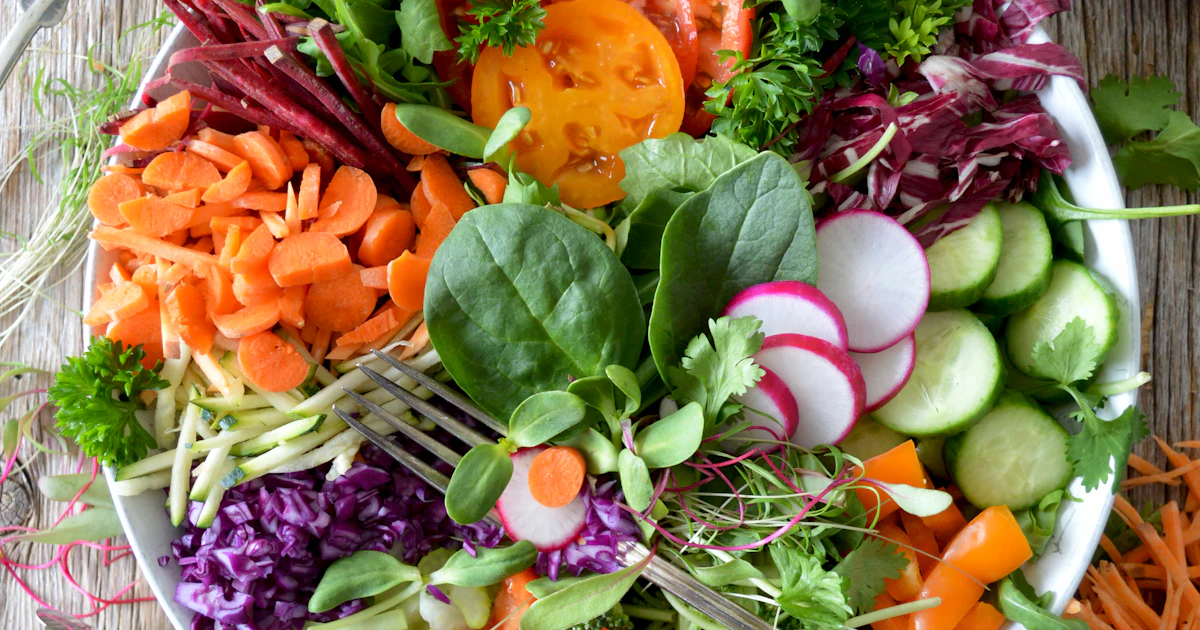
Spring: asparagus, peas, radishes, strawberries. Summer: tomatoes, zucchini, eggplant, apricots. Fall: squash, mushrooms, leeks, apples. Winter: cabbage, carrots, parsnips, citrus. You don't need to memorize it all. Go to the market, look at what's piled high and cheap: that's what's in season.
Storing it so nothing goes to waste
Abundance has a downside: you buy too much. A cast-iron pot for winter soups and stews, a few glass jars for summer preserves, and a way to freeze food properly. That's what lets you enjoy 2 lb (1 kg) of tomatoes at a few dollars without throwing half of them out. Buying in season and then wasting it would be a shame.
Eating with the seasons isn't one more constraint. It's eating what's good, when it's good, for less. The rest follows.