Cooking tips
Meal Prep: What the Food Blogs Don't Tell You
Two hours on Sunday to eat all week: the idea is sound. The reality is less photogenic. Here's what actually works for a normal family at home.
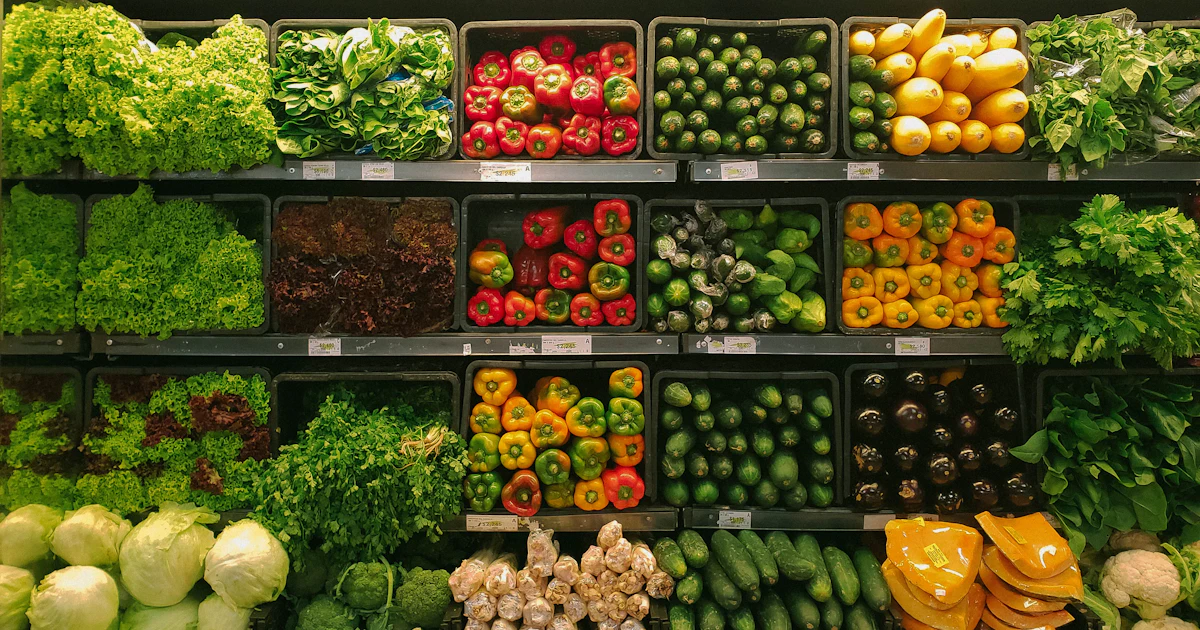
The meal prep photos on Instagram show a dozen identical containers, perfectly lined up, filled with colorful meals that look like they came out of a restaurant. That picture of weekly prep put me off for two years. Then I figured out that real batch cooking doesn't look like that.
What works in practice is a lot more ordinary and a lot more useful.
Cook the basics, not finished dishes
The classic beginner mistake: making complete dishes for every night of the week. The result is that you eat the same zucchini gratin reheated three times, and by Thursday you order a pizza because you can't take it anymore. The better approach is to cook flexible building blocks. A big batch of rice or quinoa. A tray of roasted vegetables (squash, sweet potato, bell peppers, whatever's in season). A pot of legumes. These pieces combine differently each night just by changing the sauce or the protein.
Two hours is often overkill
The blogs say two hours of prep. In my kitchen, a realistic session with one oven, one stovetop and one person fits in 45 to 75 minutes if you prepare basics and not finished dishes. The time balloons when you try to cook everything at once with no plan. The rule: start with whatever takes longest (legumes, rice, braised meats), and use that cooking time to prep what goes fast (vegetables to roast, dressings, chopping).
The real bottleneck: containers
People rarely talk about gear, but it's what makes or breaks the habit. Containers that don't seal well mean leftovers dry out and never get eaten. Containers that are too big mean you can't see what's left and you forget. The ideal: stackable rectangular glass containers (Pyrex or similar) in 2-cup (500 mL) and 1-quart (1 L) sizes, airtight, safe for the microwave and the oven. Count on 6 to 8 containers for a family of three. The upfront cost ($45 to $65 for a full set) pays itself back quickly in reduced waste.
The five foods to always have ready
Cooked grains (rice, quinoa, bulgur): keep 4 days in the fridge and go with everything. Roasted vegetables: 5 days, as a side or in wraps. Cooked legumes (chickpeas, lentils): 4 days, in salads, soups or mashed into hummus. Hard-boiled eggs: 7 days, as a snack or in a salad. A base sauce (vinaigrette, tahini sauce, soy-lemon sauce): one made in a big batch turns any bowl of grains into a meal.
What not to prep ahead
Leafy salads: they release water and go limp within 24 hours. Delicate fish: reheated, it's overcooked and dry. Dishes built on avocado or fresh lemon: the avocado turns black, the lemon turns bitter. The common-sense rule: if a food spoils quickly fresh, it spoils even faster reheated.
Meal prep that lasts isn't a discipline. It's just the habit of cooking a little more than you need when the pot is already on the stove.